Logotype rules
Which to use - positive or inverse?
Inverse logos should be used where the saturation of colour is approximately 30% or higher, but this will depend on the colour.
If you are not sure, trying squinting and see if you can still distinguish the logo clearly enough against the background. This may seem silly but what you are doing by squinting is reducing the range of what you are seeing, leaving yourself with only the highlights and shadows (ie you’re taking out a lot of the mid-tones).
For example: neither the positive or negative are clear enough on screen when using the light green or yellow from the palette and these should not be used behind the logotype. If it is essential to have a logo on a colour that is debatable then a version of the logo in Navy blue or Black should be used.
If you are not sure, trying squinting and see if you can still distinguish the logo clearly enough against the background. This may seem silly but what you are doing by squinting is reducing the range of what you are seeing, leaving yourself with only the highlights and shadows (ie you’re taking out a lot of the mid-tones).
For example: neither the positive or negative are clear enough on screen when using the light green or yellow from the palette and these should not be used behind the logotype. If it is essential to have a logo on a colour that is debatable then a version of the logo in Navy blue or Black should be used.
0% saturation

20% saturation

CAUTION: Neither logo clear enough
40% saturation
CAUTION: Neither logo clear enough
60% saturation
80% saturation
100% saturation
What not to do
To make sure that our logo appears consistent throughout any communications by ourselves or partners here are some examples of how we do not want our logo to appear.
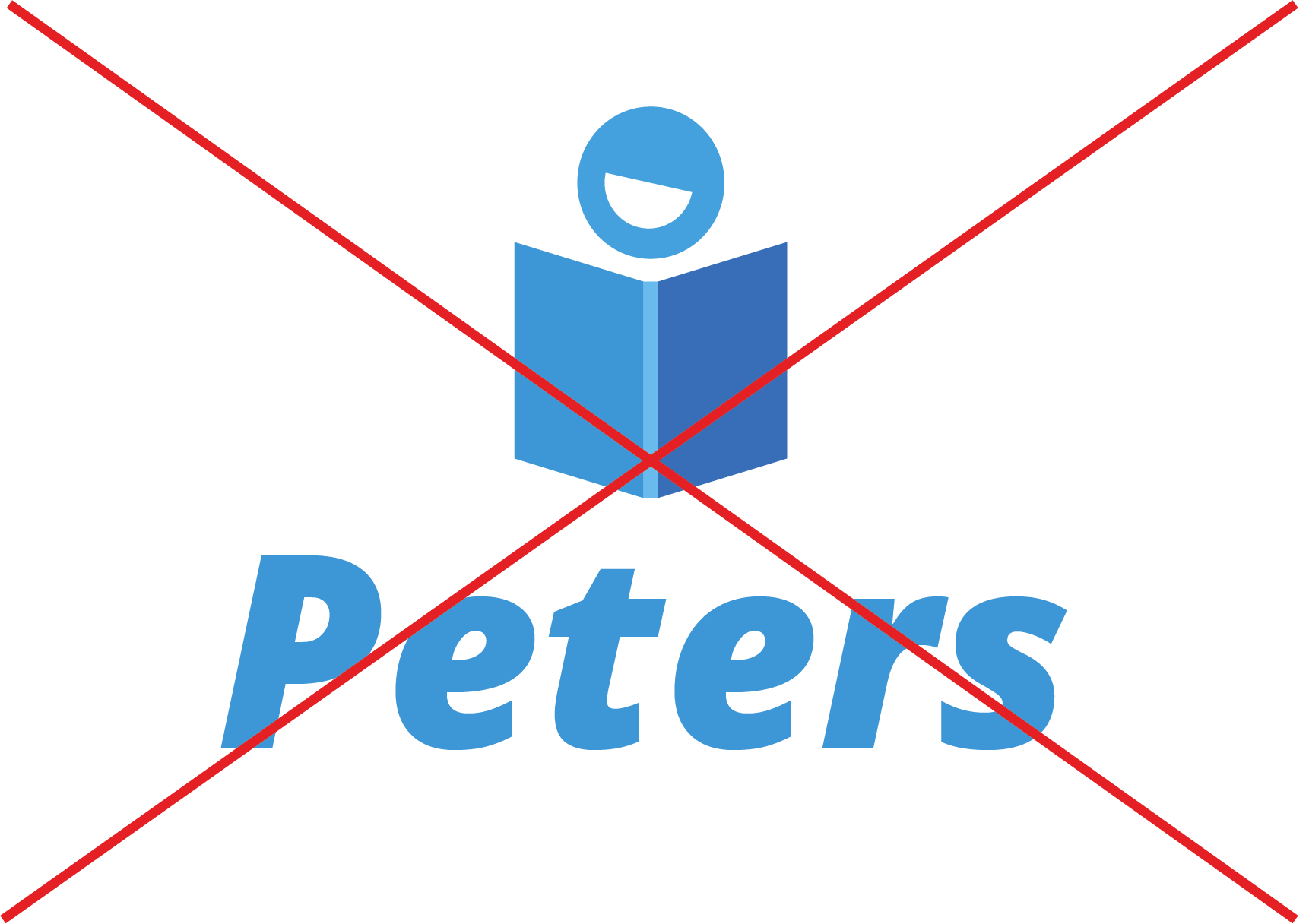
Do not change the font
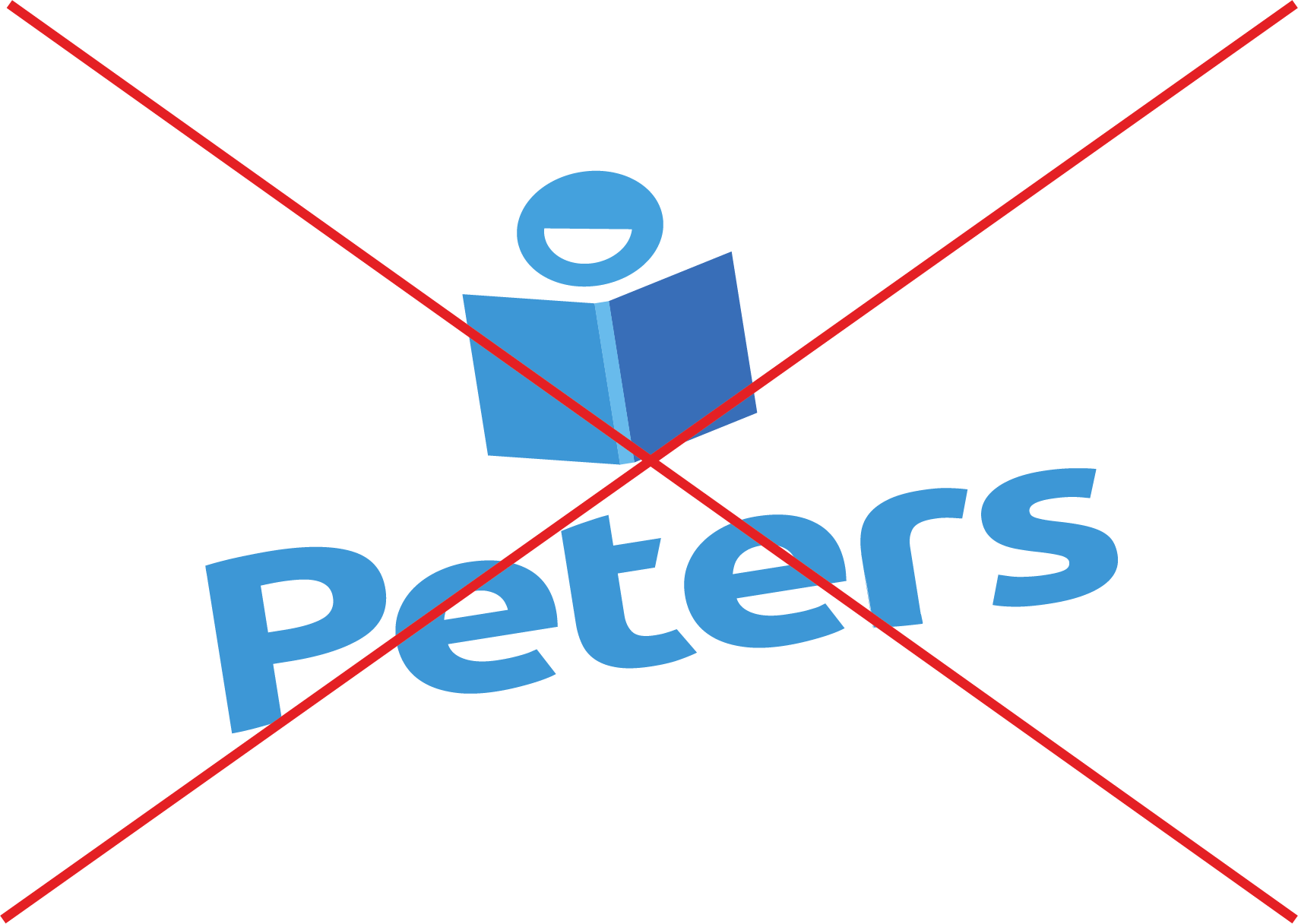
Do not rotate, stretch or twist the logo
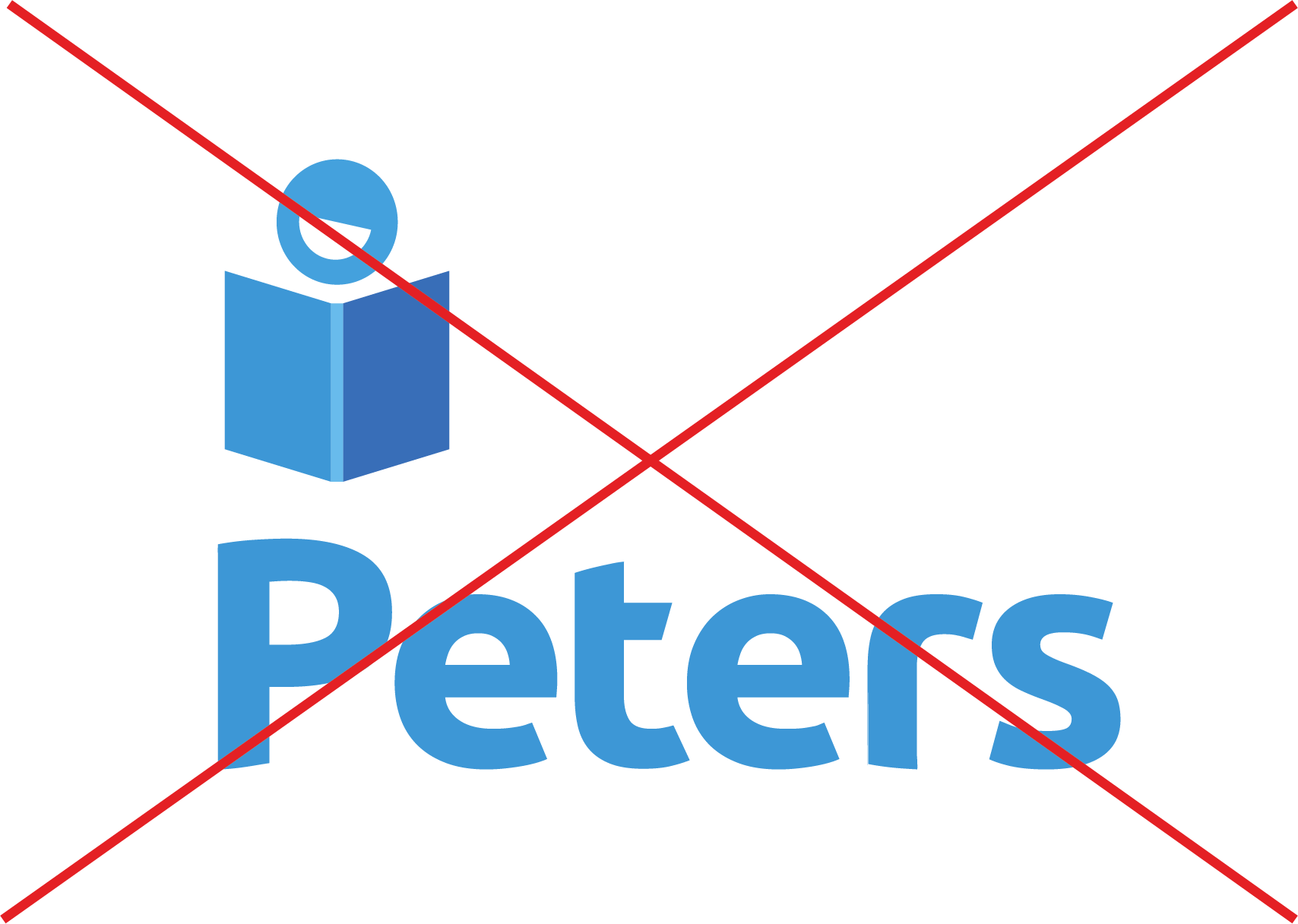
Do not change the relationship between the 'reader' and text

Do not use the text on it's own
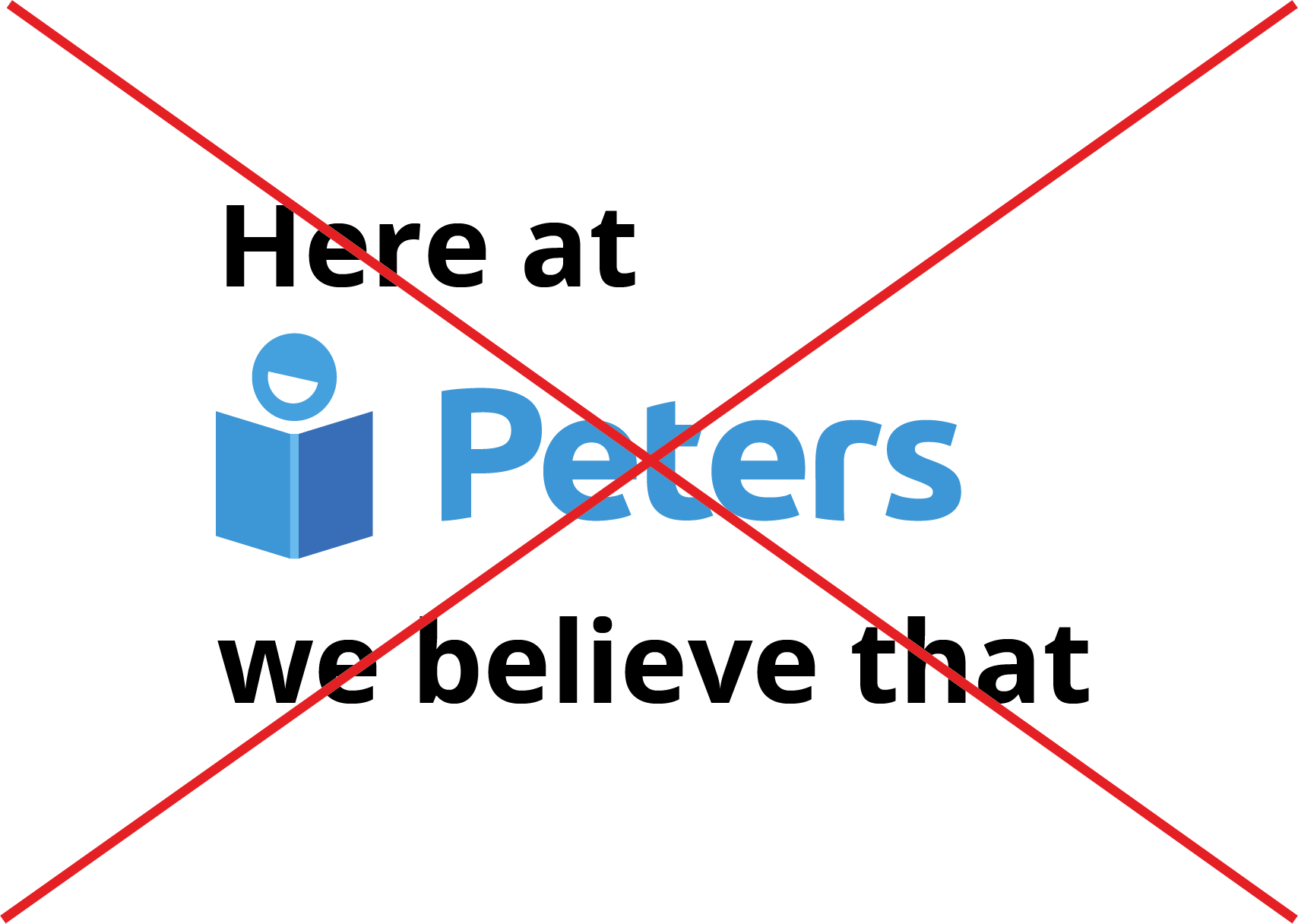
Do not use the logo within a sentence

Don't apply effects - no glowing edges, drop shadows and gradients
Clear space
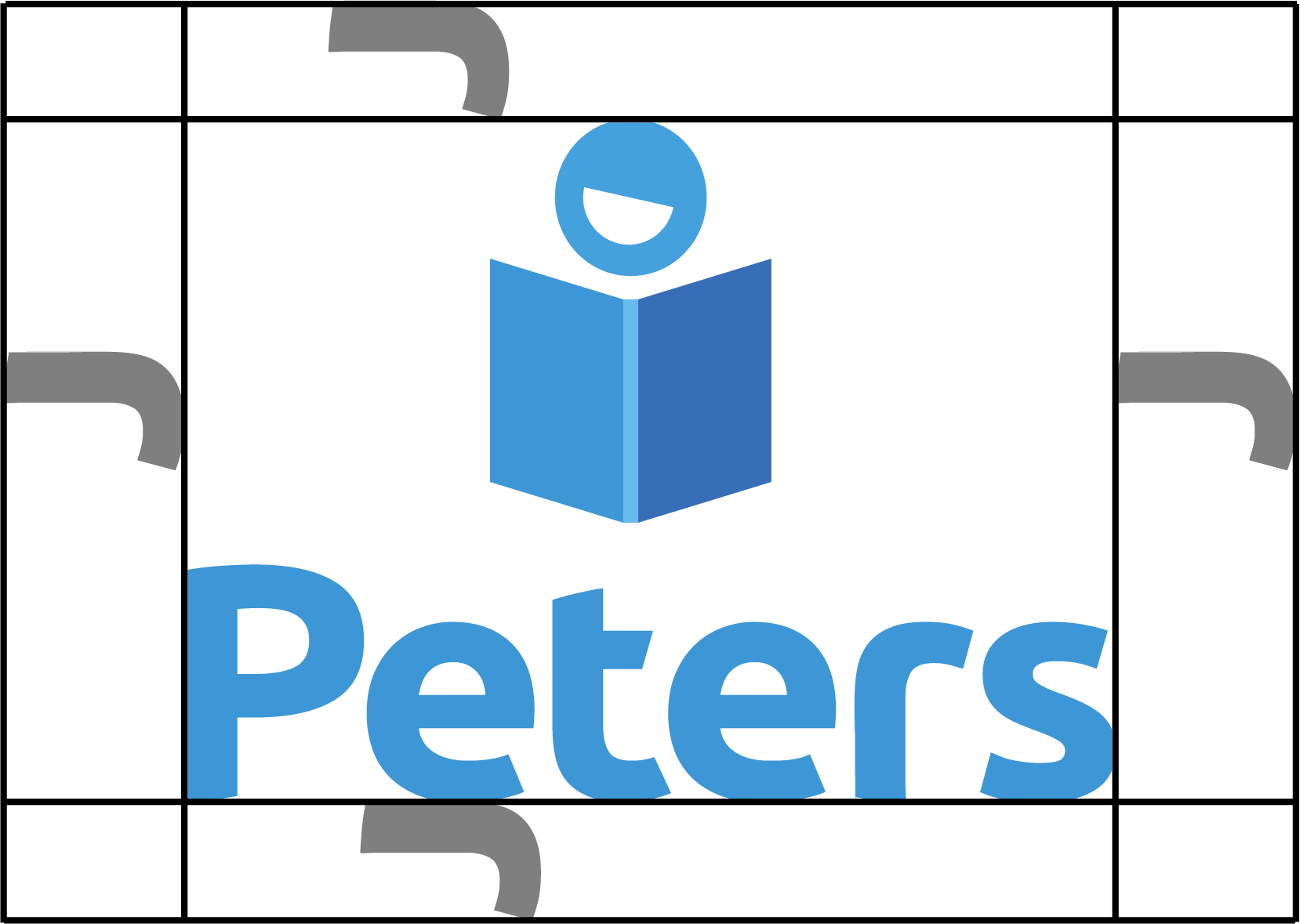
In order to preserve the integrity of the logotype it is important that no other logos, type or graphic elements infringe on its space.
Ensure there is the same gap around as the proportions of the logotype's r on it's side.
Vertical version
This is approximately 9% of the logotype's height above and below and 15% of the logotype's width on each side.
Horizontal version
This is approximately 7% of the logotype's height above and below and 10% of the logotype's width on each side.
Exceptions - The space above and below can be reduced where the Peters text will be too small to read but should be lo less than 4% of the total height.
Vertical version
This is approximately 9% of the logotype's height above and below and 15% of the logotype's width on each side.
Horizontal version
This is approximately 7% of the logotype's height above and below and 10% of the logotype's width on each side.
Exceptions - The space above and below can be reduced where the Peters text will be too small to read but should be lo less than 4% of the total height.